
Home » Our Work » Common Garage Floor Problems We Solve » Pitted or Cracked Garage Floor
Pitted or Cracked Garage Floor? You Don’t Have to Replace It
Years of Ohio winters leave their mark. See how we restore pitted or cracked concrete without tearing out the slab.
Get Started
"*" indicates required fields
Why Pitting and Cracking Occur in Concrete Floors
Moisture
Concrete is strong, but it is also porous. Over time, moisture seeps into the surface. During Northeast Ohio winters, that trapped moisture freezes and expands, gradually breaking down the top layer of the slab.
Road Salt
Road salt accelerates this process. Salt-laden snowmelt carried into the garage penetrates the concrete and contributes to surface deterioration. As the freeze-thaw cycle repeats year after year, the concrete begins to pit, flake, or crack.
Untreated Surface or Failed Coatings
For many garages, the problem is compounded by a third factor: untreated concrete or coatings that were never properly installed in the first place, leaving the surface exposed from the start.
Signs You Have Deeper Issues Related to Pitting and Cracking
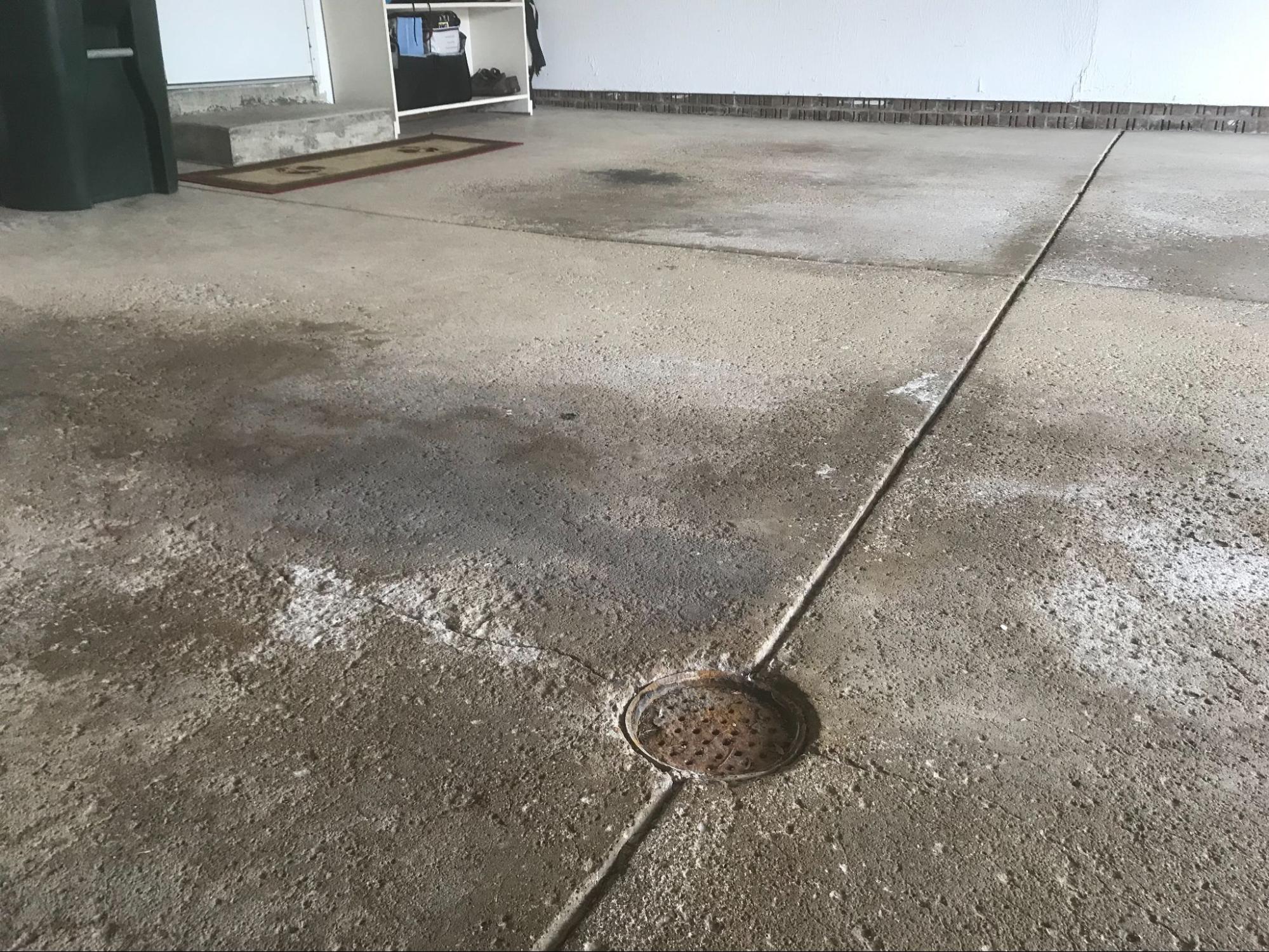
Concrete damage often develops gradually. Many homeowners first notice the problem when the floor begins to look rough or worn. By that point, the deterioration has already been underway for some time.
Common signs include:
- Small pits or divots across the concrete surface
- Hairline or widening cracks in the slab
- Areas where the surface appears chipped or flaking
- Concrete dust accumulating on the floor
- Dark spots where moisture or salt has penetrated
These issues may start as cosmetic concerns, but they can signal deeper deterioration if left unaddressed.
Why Pitting and Cracking Get Worse
Once the surface begins to break down, the damage tends to accelerate.
Cracks allow moisture to penetrate deeper into the slab. Pitted areas collect water, salt, and debris, which further weakens the surrounding concrete. Each winter’s freeze-thaw cycle widens cracks and expands surface damage.
Eventually, the floor can become difficult to clean, increasingly rough underfoot, and visually unappealing. Addressing it early helps prevent further deterioration and protects the existing slab so you’re not facing a full replacement down the road.
How We Fix Pitted and Cracked Concrete Floors
At Ohio Garage Interiors, we don’t simply coat over the problem. We correct the underlying issues first, and then install a system built to last.
Our process includes:
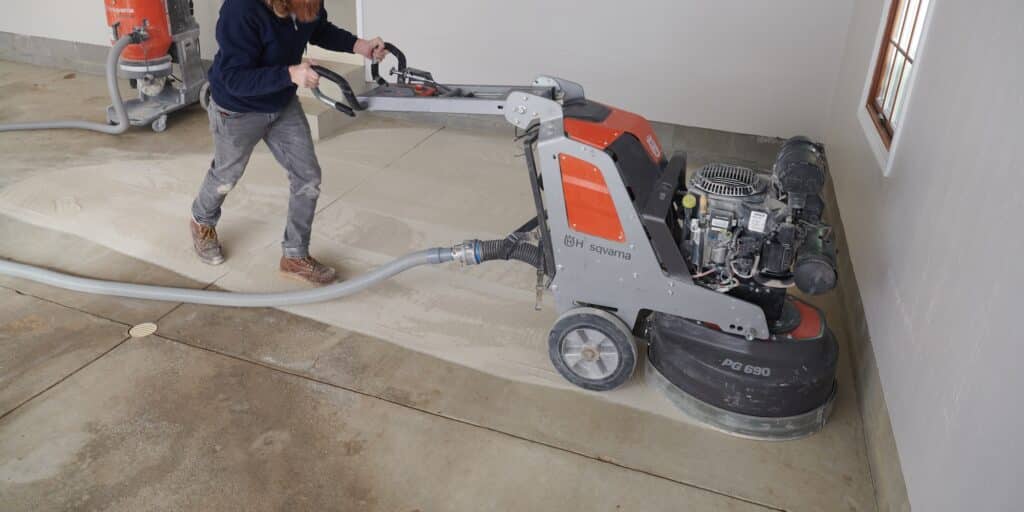
Industrial Diamond Grinding Preparation
We mechanically grind the concrete to open the surface and create the proper bonding profile. This removes weak or damaged material and prepares the slab for long-term adhesion.
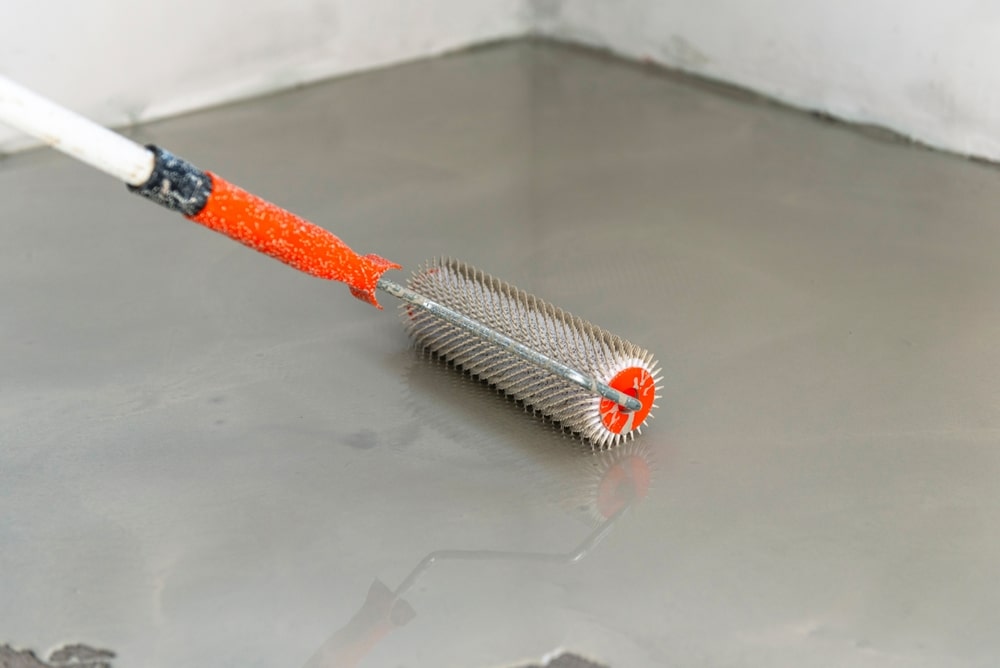
Crack and Surface Repair
Pits, cracks, and damaged areas are professionally repaired before any coating goes down, so the finished surface is smooth and structurally sound.
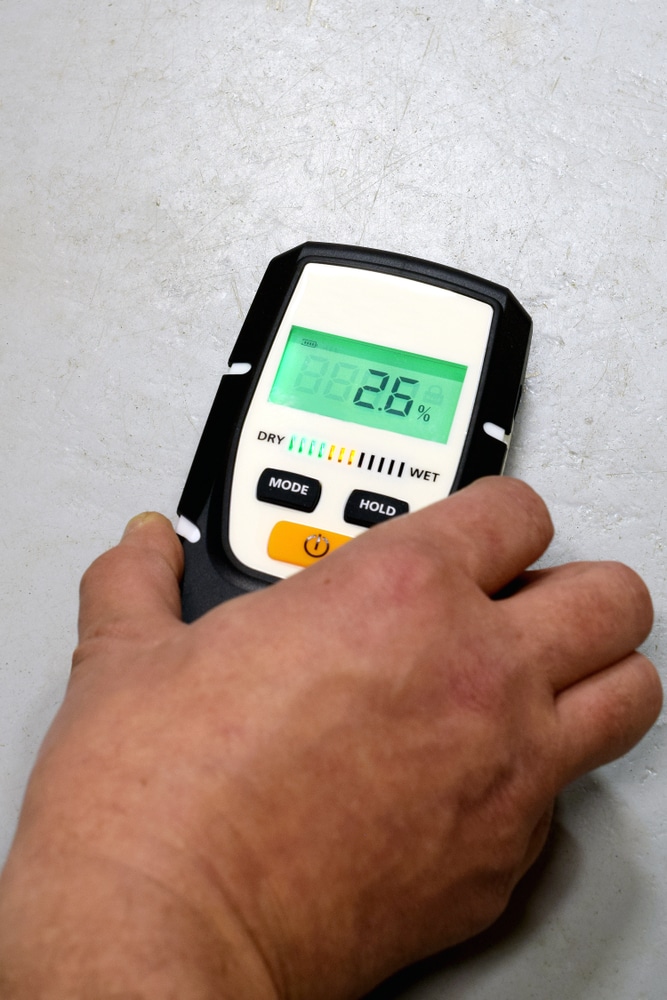
Moisture Evaluation
If moisture vapor transmission is present, we address it before installation to prevent coating failure from beneath the surface.
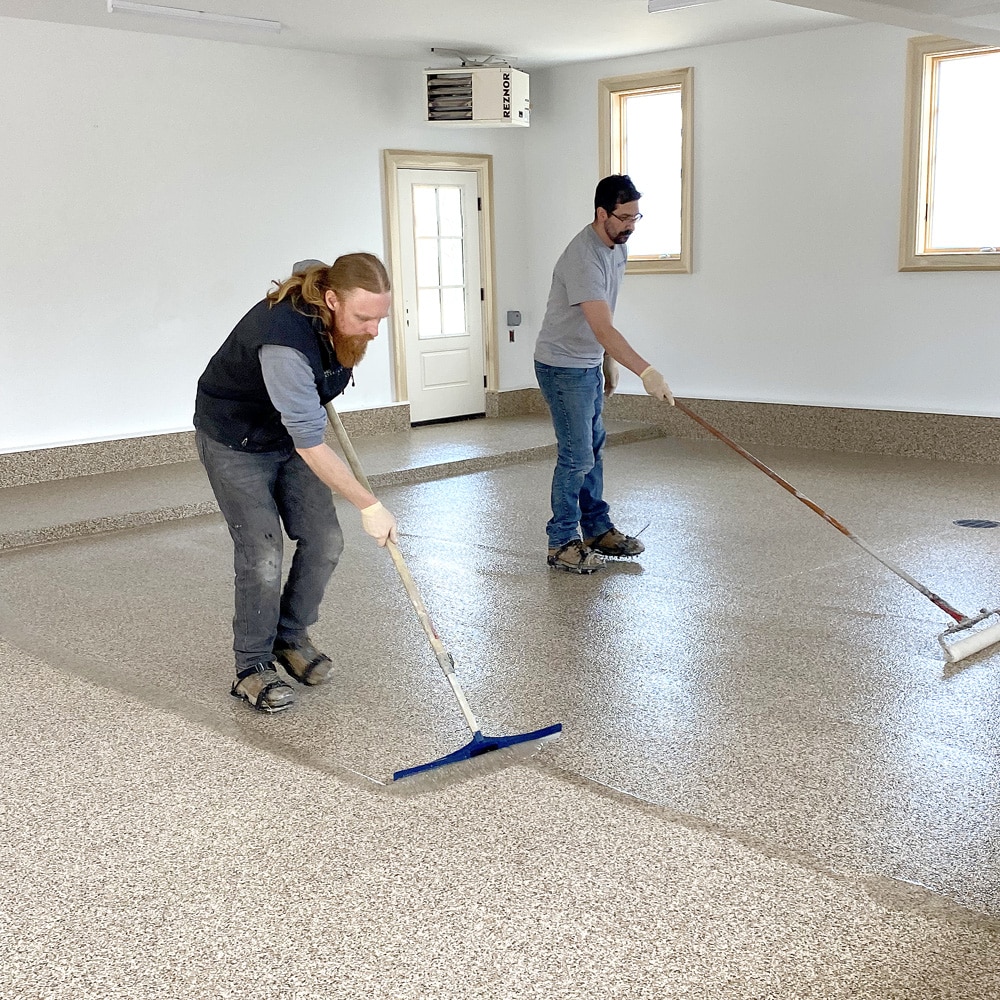
Polyaspartic Coating System
Finally, we install a durable, UV-stable polyaspartic coating that resists salt, chemicals, and abrasion and seals the concrete against future moisture intrusion.
The Result
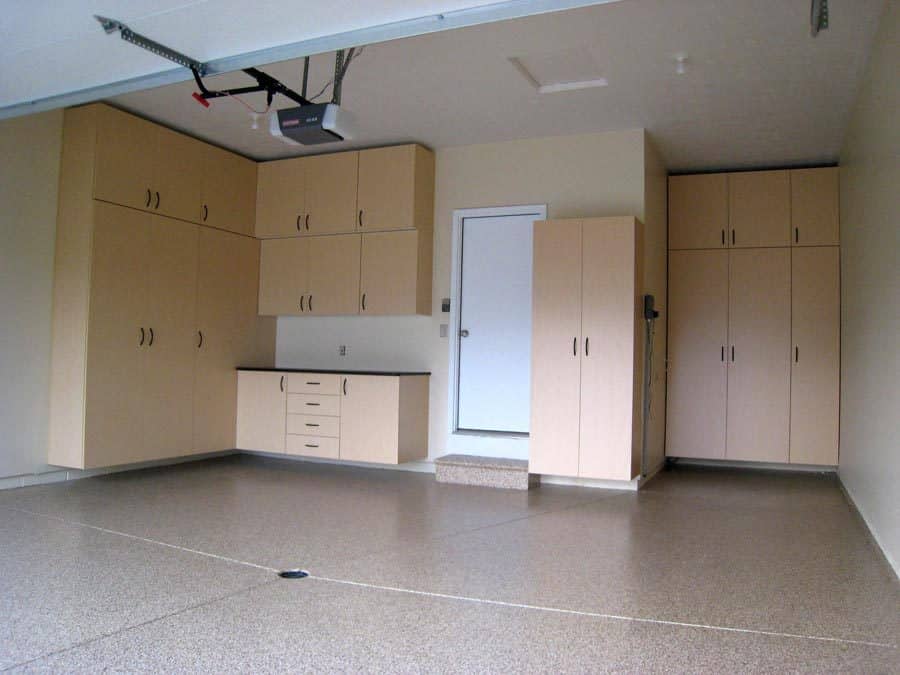
A professionally restored garage floor doesn’t just hide damage, it eliminates the conditions that cause it.
Homeowners gain:
- A smooth, durable surface that holds up to daily use
- Protection against salt, moisture, and freeze-thaw damage
- Easier cleaning and long-term low maintenance
- A garage that feels finished, cared for, and built to last
Instead of replacing the entire slab, resurfacing restores the concrete and creates a floor built to withstand years of use.
Real Transformations
From Pitted and Cracked to Smooth and Durable
See what a difference the right process makes.
Get Started with a Free Consultation
If your garage floor is cracked, pitted, or showing signs of wear, it may be easier to restore than you think. Our team will evaluate the condition of your concrete and recommend the best solution to repair and protect it.