
Home » Our Work » Common Garage Floor Problems We Solve » Salt-Damaged Concrete Floor?
Salt-Damaged Concrete Floor?
Pitting, cracking, and surface damage are common after years of exposure to Ohio road salt. See how we repair and restore your garage floor without replacing the slab.
Get Started
"*" indicates required fields
Why Road Salt Damages Concrete Garage Floors
Road Salt and Snowmelt
Every winter, vehicles carry road salt, snow, and slush into the garage. As salty snowmelt soaks into porous concrete, deicing salts and moisture can penetrate the surface and contribute to deterioration over time.
Freeze-Thaw Cycles
Moisture absorbed by concrete can freeze, expand, thaw, and refreeze throughout a Northeast Ohio winter. These repeated cycles create stress within the concrete, gradually leading to scaling, flaking, pitting, and cracks. Road salts can make this deterioration even more severe.
Unprotected Concrete
Concrete is naturally porous, so it can absorb salt and moisture when left unprotected. If the surface has no durable coating, winter exposure can gradually cause damage to build up year after year.
Signs You Have Deeper Issues Related to Road Salt
Road salt damage can become more extensive than the first visible signs suggest. Watch for changes that indicate your concrete is continuing to deteriorate.
Common signs include:
- Pitting that continues to grow deeper or spread across the floor
- Scaling or flaking that exposes rough concrete underneath
- Areas of concrete that crumble or break away easily
- Cracks that widen, spread, or worsen over time
- Persistent white, chalky deposits left behind as moisture moves through the concrete
- Damage concentrated where vehicles regularly bring snow, slush, and road salt into the garage
Why Road Salt Damage Gets Worse Over Time
Once concrete begins to pit, crack, or flake, damaged areas become increasingly vulnerable to continued winter exposure. What starts as isolated surface damage can gradually spread, leaving more of the slab in need of repair.
Addressing the damage earlier can help preserve more of the existing concrete and avoid more extensive repairs later.
How We Repair Salt-Damaged Concrete Floors
At Ohio Garage Interiors, we don’t simply cover pitting, cracks, and other signs of road salt damage. We properly prepare and repair the concrete before installing a durable coating system designed to protect the slab from future exposure.
Our process includes:
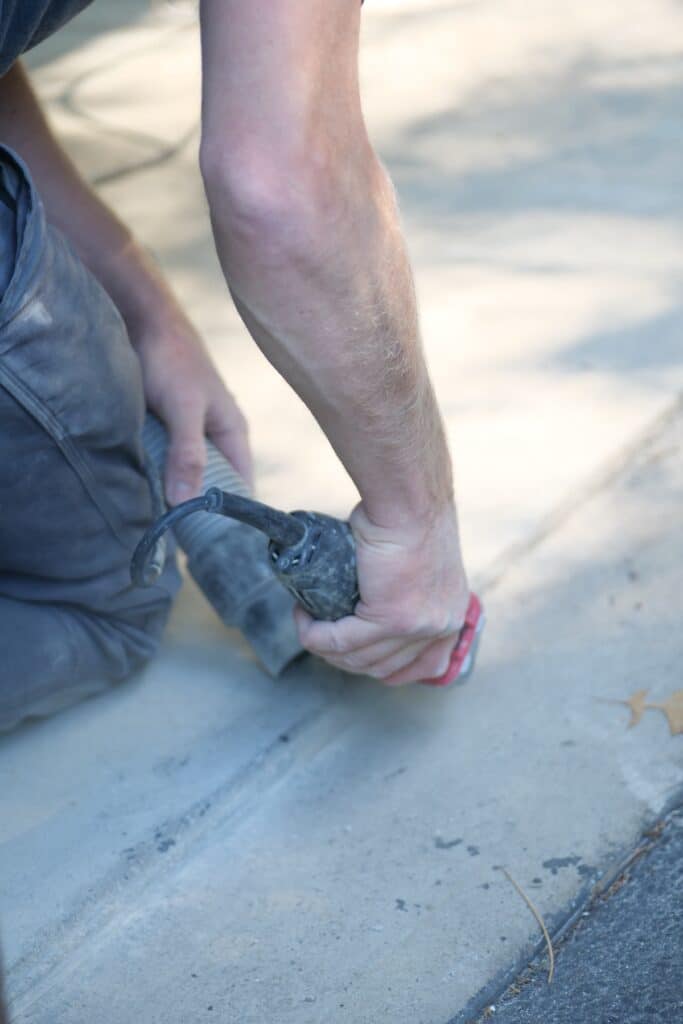
Industrial Diamond Grinding Preparation
We mechanically grind the concrete to remove weakened surface material and create the proper profile for strong coating adhesion.

Crack and Surface Repair
Pits, cracks, and damaged areas are repaired before the coating is installed, creating a more even, stable surface.
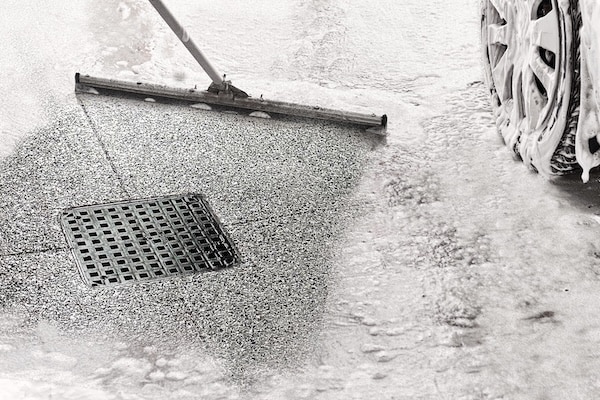
Moisture Evaluation
We evaluate the slab for moisture-related concerns that could affect the performance of the new coating system.
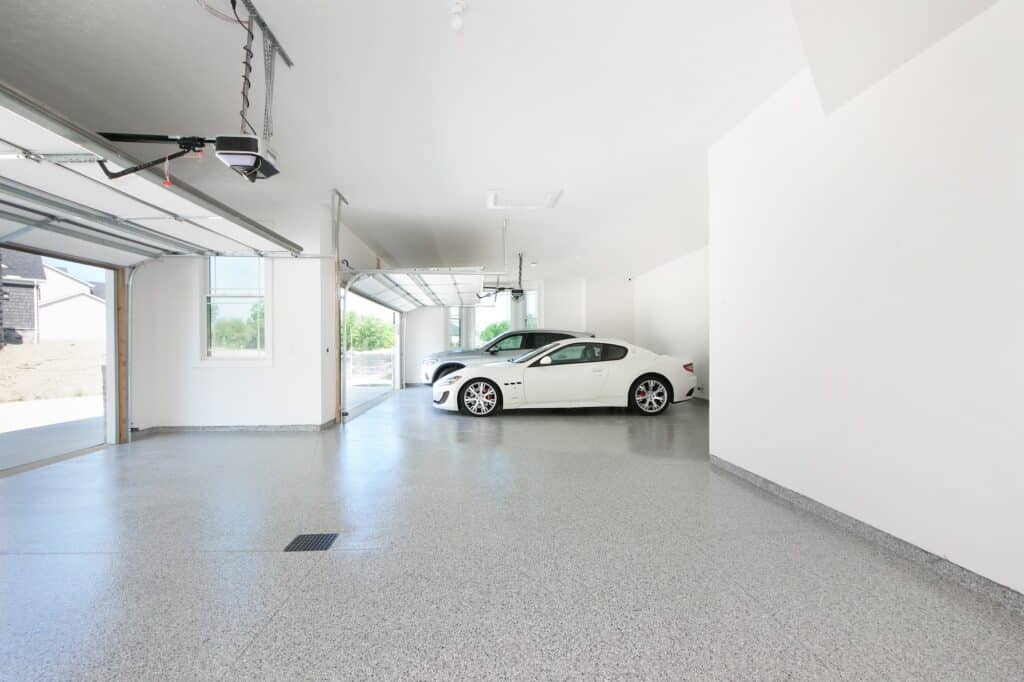
Polyaspartic Coating System
A durable polyaspartic coating creates a protective surface that resists road salt, moisture, chemicals, and abrasion.
The Result
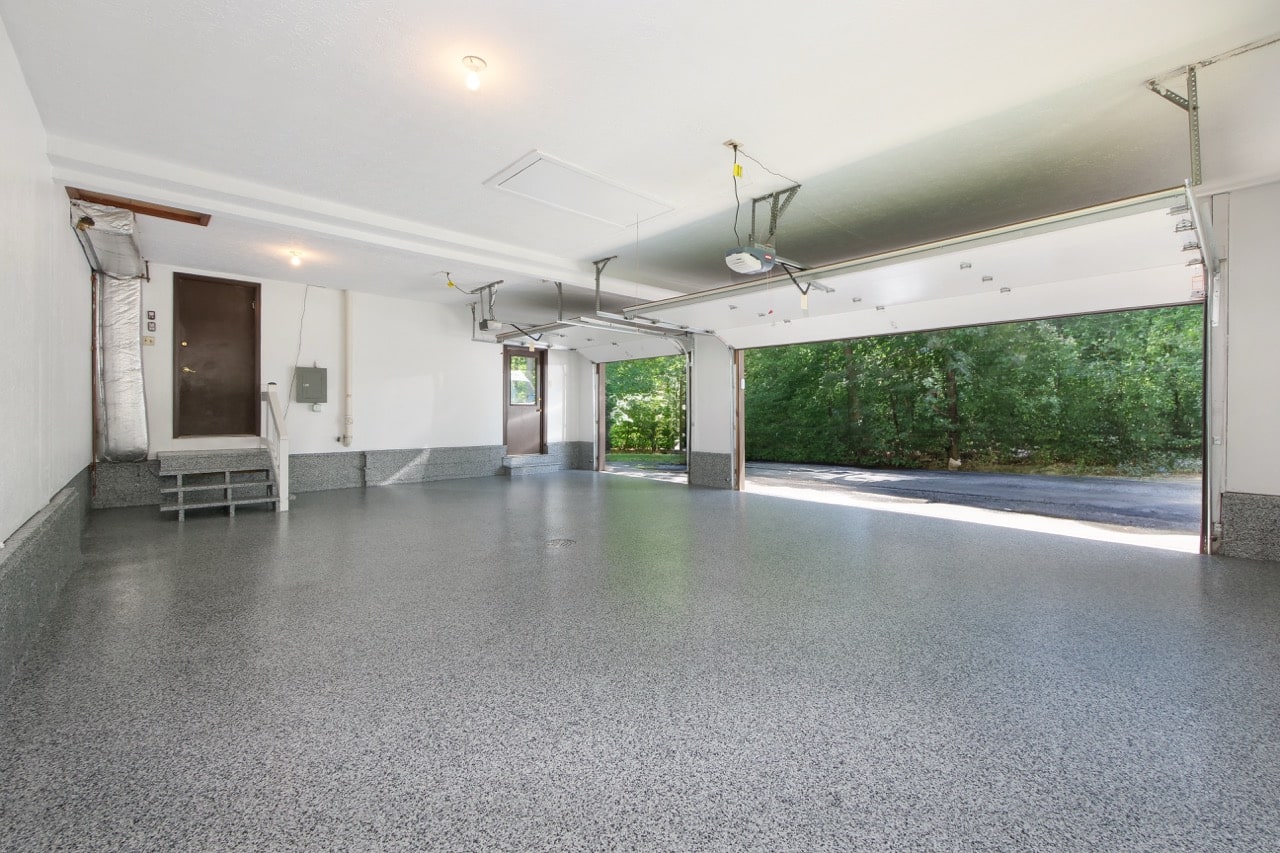
The goal isn’t just to make salt damage less visible. It’s to repair the affected concrete and give the surface better protection against the conditions that caused the damage in the first place.
Homeowners gain:
- A smoother, more durable garage floor
- Added protection against road salt and moisture
- A surface that’s easier to clean and maintain
- A finished floor built to handle everyday garage use and Ohio winters
For many salt-damaged garage floors, professional repair and coating can restore and protect the existing concrete without the disruption and expense of replacing the entire slab.
Real Transformations
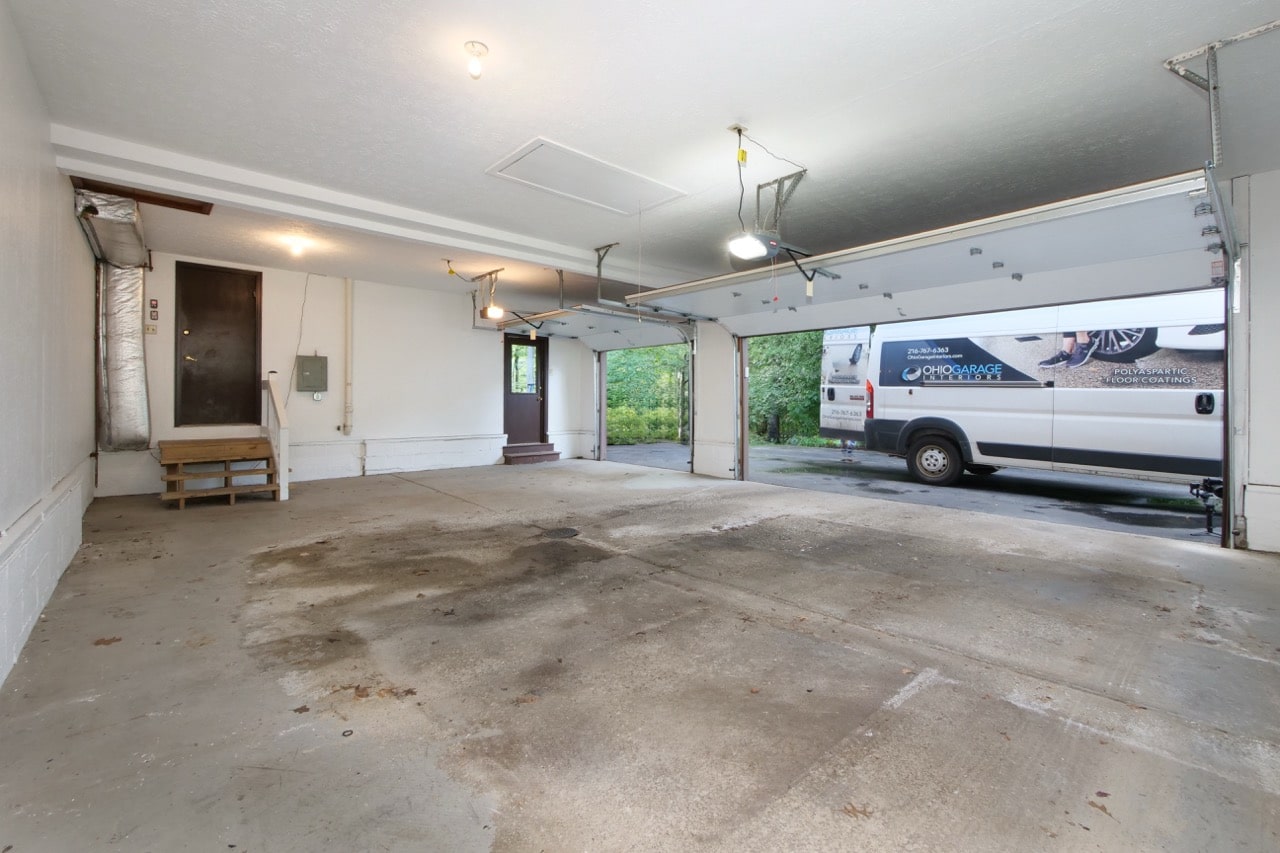
Real Transformations for Salt-Damaged Concrete
See what a difference the right process makes.
Get Started with a Free Consultation
Not sure how extensive the salt damage is or whether your concrete can be restored? Our team can evaluate your garage floor, explain your options, and recommend the right next step.